
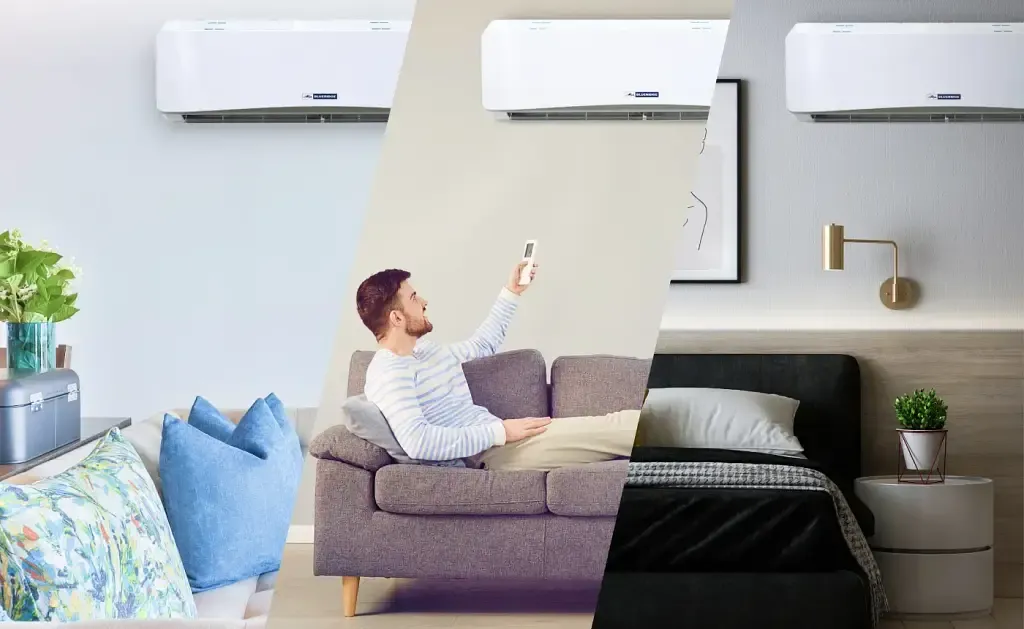
When converting a garage into a livable space, maintaining comfortable temperature control becomes essential. A mini split air conditioning system is often an ideal choice for such conversions due to its efficiency and flexibility. However, there are several important factors to consider before installing one in your newly transformed area. First, understanding the size of the space is crucial. Mini splits come with varying capacities measured in British Thermal Units (BTUs), and selecting the right size ensures effective cooling without excessive energy consumption. An undersized unit will struggle to maintain comfort, while an oversized one may cycle on and off frequently, reducing efficiency and lifespan.
Another key consideration is insulation quality within the garage conversion. Garages typically have less insulation compared to traditional living spaces; therefore, enhancing wall, ceiling, and floor insulation can significantly improve the mini split’s performance. Proper sealing of doors and windows also prevents unwanted heat exchange that could burden the system unnecessarily.
The installation process itself requires attention as well. Mini splits consist of two main components: an indoor air handler and an outdoor compressor unit connected by refrigerant lines. Placement of these units should be strategic to maximize airflow inside while minimizing noise disruptions outside or within adjoining rooms. Since garages often share walls with other parts of a home or neighbors’ properties, positioning should consider privacy and soundproofing aspects.
Electrical requirements must not be overlooked either when planning for a mini split ac in a garage conversion. These systems typically require dedicated circuits due to their power demands, so consulting with a licensed electrician beforehand helps ensure compliance with local codes and safe operation.
Drainage solutions form another practical element during installation because mini splits generate condensation that needs proper disposal away from structural components to avoid moisture damage or mold growth over time.
Additionally, evaluating climate conditions where you live can influence your choice between models offering both heating and cooling functions versus cooling alone since some mini splits provide year-round comfort benefits if equipped with heat pumps.
Lastly, budget considerations include not only initial purchase costs but also long-term operating expenses tied to energy efficiency ratings like SEER (Seasonal Energy Efficiency Ratio). Investing in models with higher efficiency ratings might involve higher upfront costs but results in savings on utility bills over time.
In summary, choosing a mini split AC for your garage conversion involves careful assessment of space size, insulation quality, installation logistics including electrical setup and drainage management along with considering climate needs and overall cost implications for optimal comfort and performance throughout the year.